
Editorial Team
A multidisciplinary team whose differences become the building blocks of synthesis.
Editor-in-ChiefDr Mabuyi Gumede
Dr Gumede is a Senior Lecturer and Discipline Head of History, Cultural and Heritage Tourism in the School of Arts at the University of KwaZulu-Natal, South Africa.
Dr Mabuyi Gumede
Dr Gumede is a Senior Lecturer and Discipline Head of History, Cultural and Heritage Tourism in the School of Arts at the University of KwaZulu-Natal, South Africa.
Dr Gumede is a Senior Lecturer and Discipline Head of History, Cultural and Heritage Tourism in the School of Arts at the University of KwaZulu-Natal, South Africa. She holds a PhD in Cultural and Heritage Tourism, with research focusing on community participation in coastal tourism and sustainable tourism development. Her research interests encompass cultural and heritage tourism, coastal and marine tourism, community-based tourism, sustainable livelihoods, tourism policy, climate change, disability and gender studies, and post-pandemic tourism recovery.
Dr Gumede has published extensively in accredited journals and scholarly books and has presented her research at numerous national and international conferences. She serves as a reviewer for several peer-reviewed journals and regularly examines master’s dissertations and doctoral theses for universities in South Africa and internationally. She has successfully supervised postgraduate students to completion across the fields of Cultural and Heritage Tourism, Public Policy and Development Studies. Beyond academia, Dr Gumede contributes to tourism policy development, heritage conservation and community engagement through her involvement in provincial and national tourism initiatives, UNESCO heritage advisory processes, and collaborations that promote sustainable and inclusive tourism development in Africa.
As Editor-in-Chief, Dr Gumede provides scholarly and strategic leadership to The Frontier, helping sustain an editorial culture that is rigorous, open to interdisciplinary exchange, and attentive to the relationships between knowledge, policy, community and lived experience. Her experience in cultural and heritage scholarship, sustainable and community-based tourism, tourism policy, peer review, postgraduate supervision, and community and policy engagement strengthens the journal’s commitment to knowledge that is untrammelled, socially responsive and capable of moving across inherited disciplinary boundaries.
EditorDr Hleliwe Khumalo
Dr Khumalo is a Lecturer in the Discipline of Development Studies at the University of KwaZulu-Natal (UKZN), South Africa.
Dr Hleliwe Khumalo
Dr Khumalo is a Lecturer in the Discipline of Development Studies at the University of KwaZulu-Natal (UKZN), South Africa.
Dr Khumalo is a Lecturer in the Discipline of Development Studies at the University of KwaZulu-Natal (UKZN), South Africa. She completed her PhD in Development Studies at UKZN, where her research examined the role of African Indigenous Knowledge Systems in addressing gender-based violence through contextually grounded interventions, with a focus on the communities of Umlazi and KwaNgcolosi. Her research interests include gender-based violence, African Indigenous Knowledge Systems, community development, participatory governance, decolonial scholarship, and social justice.
She has contributed to interdisciplinary research projects, facilitated participatory community engagement initiatives, and co-authored policy-oriented reports for international conferences in collaboration with organisations such as UNFPA, the Human Sciences Research Council (HSRC), and the KwaZulu-Natal Department of Social Development. Dr Khumalo has extensive teaching experience in Development Studies, Economic History, and Academic Literacy, and has supervised undergraduate and postgraduate research in community development. She has published and presented her work nationally and internationally on topics related to Indigenous Knowledge Systems, gender justice, and higher education transformation. Her academic contributions have been recognised through the Andrew W. Mellon Spatial Humanities Doctoral Scholarship and the UKZN Talent Equity & Excellence Acceleration Scholarship.
As an Editor, Dr Khumalo brings expertise in Development Studies, African Indigenous Knowledge Systems, gender justice, participatory governance, decolonial scholarship, and community-engaged research. Her work supports The Frontier’s commitment to bringing different knowledge traditions into conversation without reducing them to isolated categories, and to encouraging scholarship that is contextually grounded, inclusive, rigorous and socially transformative.
EditorDr Lungile Prudence Zondi (Balungile)
Dr Zondi is a Senior Lecturer in Anthropology at the University of KwaZulu-Natal, South Africa.
Dr Lungile Prudence Zondi (Balungile)
Dr Zondi is a Senior Lecturer in Anthropology at the University of KwaZulu-Natal, South Africa.
Dr Zondi is a Senior Lecturer in Anthropology at the University of KwaZulu-Natal, South Africa. She holds a PhD in Anthropology and has extensive experience in teaching, research, postgraduate supervision, and academic leadership. Her research focuses on Indigenous Knowledge Systems, cultural and linguistic anthropology, health systems governance, social cohesion, gender, public policy, and community development, with a strong emphasis on qualitative research methods.
Dr Zondi has published widely in peer-reviewed journals and edited volumes and serves as a reviewer for several international journals. She has supervised numerous Master’s and PhD students to completion and actively contributes to community-engaged scholarship, policy dialogue, and interdisciplinary research. Her work seeks to advance decolonial knowledge production, promote social justice, and strengthen the role of indigenous perspectives in addressing contemporary societal challenges.
As an Editor, Dr Zondi contributes specialist expertise in anthropology, Indigenous Knowledge Systems, qualitative research, cultural and linguistic studies, health governance, gender, and community development. Her experience in peer review, postgraduate supervision, interdisciplinary scholarship, and community engagement strengthens The Frontier’s capacity to assess diverse forms of knowledge and to foster dialogue across fields, methods and knowledge traditions.
EditorProf. Nakanjani Goodenough Sibiya
Prof. Sibiya is an Associate Professor in African Languages and Culture at the University of Zululand.
Prof. Nakanjani Goodenough Sibiya
Prof. Sibiya is an Associate Professor in African Languages and Culture at the University of Zululand.
Prof. Sibiya is an Associate Professor in African Languages and Culture at the University of Zululand. He holds a PhD, MA, BA Honours and Bachelor of Pedagogics from the University of Zululand, with research and scholarly interests spanning isiZulu language, literature, literary heritage, onomastics, translation, terminology development and indigenous knowledge.
Prof. Sibiya has extensive experience in academia, publishing, language development and literary editing. His previous positions include Director and Editor-in-Chief at Isikhungo Sesichazamazwi SesiZulu, Lecturer in the Department of African Languages at the University of KwaZulu-Natal, Principal Language Practitioner in Literature and Terminology Development in the KwaZulu-Natal Department of Sports, Arts and Culture, and Editor of isiZulu Literature and Language Textbooks at Shuter & Shooter Publishers. A prolific author, editor, translator and literary scholar, he has published extensively across short stories, novels, drama, poetry, children’s literature, biographies, literary criticism and academic writing. His work has also been translated between isiZulu and English, reflecting his contribution to the development and dissemination of African-language literature.
Prof. Sibiya has received numerous literary awards, including the M-Net Book Prize for Nguni Languages, the JL Dube/Via Afrika Novel Award, the BW Vilakazi Literary Award, the Maskew Miller Longman Drama Award and the SALA/Nadine Gordimer Short Story Award. He has also received recognition for his broader literary contribution through the Heritage Development Trust “Izihlabani Award” and The Book Behind Lifetime Achievement Award. He is an experienced manuscript and academic peer reviewer, having reviewed for major publishers and journals including Shuter & Shooter Publishers, Oxford University Press, Macmillan Publishers, UKZN Press, the South African Journal of African Languages, Nomina Africana, Alternation and other African-language and indigenous-knowledge journals.
As an Editor, Prof. Sibiya brings substantial expertise in African-language scholarship, literary studies, publishing, editing, translation and the preservation of indigenous literary heritage. His work advances The Frontier’s recognition that language, literature and creative practice are forms of knowledge in their own right, while his experience as an author, translator, peer reviewer and language practitioner strengthens the journal’s commitment to African knowledge traditions, intellectual plurality and rigorous exchange.
 Editor
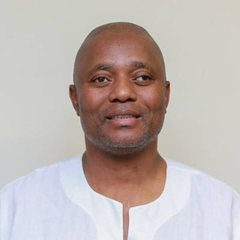
Dr Mfanozelwe Shozi
Dr Shozi is an experienced academic, community development practitioner, public administration specialist, and human rights and gender equality advocate with more than 25 years of professional experience spanning adult education, public participation, community development, governance, human rights, and gender equality.
Dr Mfanozelwe Shozi
Dr Shozi is an experienced academic, community development practitioner, public administration specialist, and human rights and gender equality advocate with more than 25 years of professional experience spanning adult education, public participation, community development, governance, human rights, and gender equality.
Dr Shozi is an experienced academic, community development practitioner, public administration specialist, and human rights and gender equality advocate with more than 25 years of professional experience spanning adult education, public participation, community development, governance, human rights, and gender equality. He holds a Doctor of Philosophy in Management Sciences, specialising in Public Administration, from Durban University of Technology, a Master of Social Science in Community Development from the University of KwaZulu-Natal, a BTech in Business Administration, a Postgraduate Diploma in Adult Basic Education, and a Bachelor of Arts.
Dr Shozi currently serves as Deputy Director for Community Engagement and Development at Mangosuthu University of Technology, where he is responsible for community engagement programmes, stakeholder relations, community-based research, outreach, student volunteerism, and community development initiatives. He previously served at Durban University of Technology as Project Manager of the Imbali Education and Innovation Precinct and as a lecturer in the Community and Adult Education Unit. His professional experience also includes ten years with the Commission for Gender Equality, where he served as Commissioner and Chairperson and contributed to policy monitoring, public education, research, advocacy, gender equality, governance, and human rights initiatives. He has participated in national and international forums, including the United Nations Commission on the Status of Women.
Dr Shozi has research and publication interests in gender equality, peacebuilding, conflict resolution, community development, adult education, human rights, and public participation. His recent scholarly contributions include work examining the roles of women during conflict and the contribution of women to peacebuilding and social change in KwaZulu-Natal. He has also served as an examiner of master’s and doctoral students.
As an Editor, Dr Shozi brings extensive expertise in public administration, community development, gender equality, human rights, governance, public participation, and community-based research. His practice-oriented perspective supports The Frontier’s commitment to connecting scholarly knowledge with public policy, social justice, community experience and meaningful societal impact, while remaining attentive to methodological seriousness and interdisciplinary inquiry.
 Managing Editor
Ms. Witty Nonhlanhla Nyide-Mchunu
Ms. Witty Nonhlanhla Nyide-Mchunu is a Fine Art lecturer, art historian, researcher, curator, and practicing artist based in KwaZulu-Natal, South Africa.
Ms. Witty Nonhlanhla Nyide-Mchunu
Ms. Witty Nonhlanhla Nyide-Mchunu is a Fine Art lecturer, art historian, researcher, curator, and practicing artist based in KwaZulu-Natal, South Africa.
Ms. Witty Nonhlanhla Nyide-Mchunu is a Fine Art lecturer, art historian, researcher, curator, and practicing artist based in KwaZulu-Natal, South Africa. She is currently pursuing a PhD in Fine Art at the University of KwaZulu-Natal, where her research explores affective narratives of land dispossession through a participatory curation of material objects and their agency from 1913 to the present. She holds a Master of Arts in Art History with distinction from the University of KwaZulu-Natal and a Bachelor of Technology in Fine Art from Durban University of Technology.
Her professional experience spans higher education, art history, museum and gallery education, curatorial practice, community engagement, and visual arts programming. She is currently a Fine Art lecturer at Durban University of Technology, where she teaches and supervises undergraduate and postgraduate students in Printmaking, Drawing, Art History and Art Theory, while contributing to curriculum development, assessment, research supervision, community engagement, and international printmaking exchanges. Her previous positions include lecturing roles at Nelson Mandela University and the University of KwaZulu-Natal, as well as Education and Events Officer at the UNISA Art Gallery and Education Officer at the Durban Art Gallery.
Ms. Nyide-Mchunu’s research and scholarly interests are situated at the intersection of contemporary African art, art history, materiality, social justice, community-based practice, and participatory approaches to art and cultural production. Her academic work has been presented at conferences including Feminist Readings in Motion, the South African Visual Arts Historians conference, and the Art and Social Justice Conference. Her publications and critical writing include contributions to The Writers College Times, Jive Media Africa research initiatives, exhibition catalogues, Umlando Journal, and Agenda Journal. Her curatorial, artistic, and professional practice includes participation in exhibitions and international art projects in South Africa, the United Kingdom, the United States, Germany, and Mauritius. She has also coordinated regional and international Thupelo workshops and served on exhibition committees and trustee boards within the South African visual arts sector.
As Managing Editor, Ms. Nyide-Mchunu coordinates the editorial workflow and helps bring academic writing, visual culture, research, copy-editing, proofreading and curatorial sensibilities into a coherent publication process. Her interdisciplinary experience supports The Frontier’s commitment to careful preparation, accessibility, creative expression, and meaningful exchange across forms of knowledge. She helps sustain editorial consistency and quality while facilitating communication among the Editor-in-Chief, Editors, authors, reviewers and production.
 Publisher
Mr Bhekamachunu H. Zwelethu Mchunu
Mr Mchunu is a historian, economic history scholar, heritage executive, and journal publisher with over two decades of experience in scholarship, publishing, education, public history, and socio-economic development.
Mr Bhekamachunu H. Zwelethu Mchunu
Mr Mchunu is a historian, economic history scholar, heritage executive, and journal publisher with over two decades of experience in scholarship, publishing, education, public history, and socio-economic development.
Mr Mchunu is a historian, economic history scholar, heritage executive, and journal publisher with over two decades of experience in scholarship, publishing, education, public history, and socio-economic development. He is Co-founder and Director of Welisa Academy, where he provides strategic leadership and advances initiatives in education, research, partnerships, and knowledge production. His publishing experience includes overseeing the editing and publication of an in-house journal and contributing to scholarly and public discourse through book reviews, opinion pieces, newspaper columns, translations, and historical research.
He currently serves as Deputy Director of the Umsunduzi and Ncome Museums. His scholarly interests include African agrarian history, racial capitalism, land regimes, indigenous knowledge systems, public history, historiography, and heritage studies. He holds an MA in Economic History from the University of KwaZulu-Natal and a BA Honours in History, cum laude, from the University of South Africa. He is currently a PhD candidate in the Department of History at UNISA.
As Publisher, Mr Mchunu provides strategic publishing leadership; oversees the journal’s publication programme and production process; supports editorial planning, publishing partnerships, quality assurance, and the effective dissemination of the journal’s scholarly and public-facing content. His background in history, heritage, education and publishing contributes to The Frontier’s wider commitment to knowledge that is rigorous, socially consequential, African-centred and open to dialogue across inherited boundaries.
Design DirectorMr Zaba Ngubane
Mr Zaba Ngubane is an experienced Art Director and multidisciplinary Graphic Designer with over 15 years of experience spanning editorial design, branding, publications, digital visual communication and print production.
Mr Zaba Ngubane
Mr Zaba Ngubane is an experienced Art Director and multidisciplinary Graphic Designer with over 15 years of experience spanning editorial design, branding, publications, digital visual communication and print production.
Mr Zaba Ngubane is an experienced Art Director and multidisciplinary Graphic Designer with over 15 years of experience spanning editorial design, branding, publications, digital visual communication and print production. His editorial work includes magazines, newsletters, annual reports and digital publications, with a particular strength in typography, layout, visual storytelling, infographics and maintaining visual consistency across complex publications. He has led projects from concept and visual strategy through to final artwork and production, and has also overseen the transition of print publications to digital flipbooks and web-based publishing.
As founder and Art Director of Logoman Designs, Mr Ngubane has provided creative direction and strategic design consultancy to businesses, NGOs and public institutions, with notable work including annual reports for Tongaat-Hulett and Mr Price, corporate identities, packaging, advertising and campaign branding. His earlier experience includes senior design and art direction roles at Paton Tupper Associates and Khanya Advertising, where he co-founded one of KZN’s first black-owned advertising agencies and led branding and advertising campaigns for the KZN Department of Transport.
Mr Ngubane’s creative achievements include Winner of the 2018 Ithala Business Achiever Award – Micro Business Category (R30,000 cash prize); selection for the 2013 Raizcorp Incubator Programme for personal and business development mentorship; designer of the official University of KwaZulu-Natal logo in 2004 (R25,000 prize); Winner of the 1998 SABS Art Competition, receiving a new Ford Fiesta; and 1st Prize Winner of the 1993 Eskom “Electricity Makes Life Easy” Art Competition (R20,000). He holds a National Diploma in Graphic Design from Technikon Natal, now Durban University of Technology, graduating in 1995, and is proficient in Adobe Illustrator, Photoshop and InDesign, as well as WordPress, Elementor and Canva.
As Design Director, Mr Ngubane leads the journal’s visual identity and design direction; oversees typography, layout, visual storytelling, infographics and design consistency; manages artwork and production for print and digital publications; and supports the presentation of content across publishing formats. His role reflects The Frontier’s view that the visual is not an ornament to intellectual work but one of the ways in which meaning is made, understood and brought into public conversation.